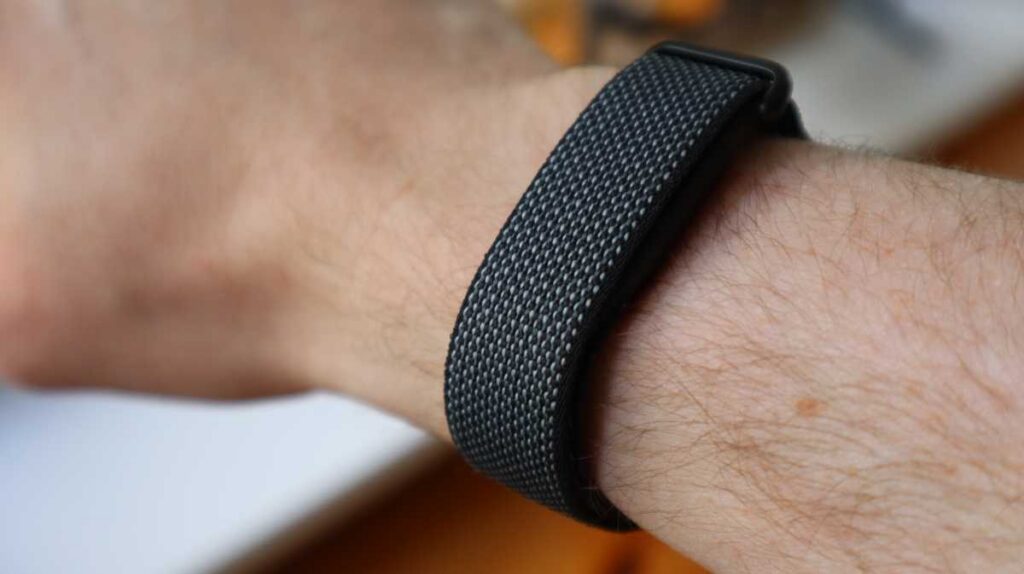

With a sleek design and no subscription costs, the forthcoming Luna Band is emerging as a formidable rival to the Fitbit Air and other no-screen fitness trackers, such as the Whoop Strap 5.0. The brand has now unveiled a crucial feature that may set it apart from its rivals – user-created micro apps – along with updates regarding pre-order and release timelines.
This announcement is part of the broader introduction of LifeOS, the platform that Luna Band will operate within. The company has stated that it will build its own micro apps to form the foundation of the LifeOS ecosystem, while also allowing users to create their own apps that will contribute to the comprehensive data dashboard compiled via the Luna Band.
Currently, the Fitbit Air functions in a relatively closed system within the latest Google Health app, focusing on interacting with the AI-driven Health Coach for creating a personalized workout routine. It’s an excellent setup, but it lacks the communal element that user-generated apps could introduce.
With 100,000 individuals on the waiting list, the Luna Band is poised to be a major alternative to the Fitbit Air. The company has also declared that the official pre-order date will be 4 July, preceding the 31 July release date for the initial stock drop.
Thomas Deehan / Foundry
What are micro apps?
At its core, it resembles the concept seen in the Garmin Connect IQ Store, where numerous user-created apps and watch faces can be downloaded for a more personalized watch experience.
Returning to the Luna Band, all of this complements an initiative to consolidate health tracking data into a single application, preventing users from needing to switch between various software just to achieve a complete understanding of their health status.
In detailing the announcement, Luna founder Amit Khratri stated: “For decades, genuine health intelligence has been confined behind two doors: costly specialists and restricted software. LifeOS opens both.”
“A comprehensive library of health micro-apps on the wrist today, and the tools for anyone to create their own using the same foundation that drives ours. The same bodily signals, the same context, the same blood markers. We are not providing people with another dashboard to analyze. We are giving them the underlying platform, along with the keys to enhance it.”
Luna
Details on the specific tools or assistance that might be available for those interested in creating micro apps for LifeOS remain unclear, but the possibilities are abundant for forming a community of users committed to growing the ecosystem to meet their requirements.
Although not a software strategy, Google has recently shared the official designs for the Fitbit Air to inspire consumers and third-party developers to create their own custom bands for the device. As more fitness trackers like the upcoming Garmin Cirqa enter the market, this move toward customisation could become the new frontier to differentiate from competitors.
Summary
If You Can’t Beat ‘Em, App ‘Em!