
Alibaba Cloud Goes Up in Flames in Singapore—Literally
Power Outage Cut Short by an Explosive Battery
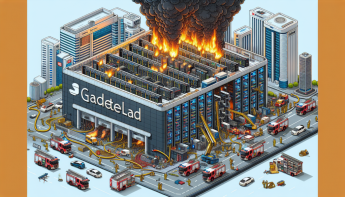
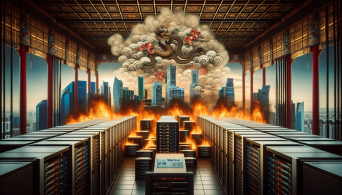
Oi, Alibaba, what sort of circus are you running? It seems part of their cloud operations in Singapore went kaput because, yep, you heard it right, *a bloody lithium-ion battery went off*. I mean, if you’re going out with a bang, might as well do it right, right?
I’m no stranger to a bit of excitement, but when your entire data center ignites like a flaming sambuca, you’ve got some hefty explaining to do. They claim it was the battery explosion that caused a bunch of equipment to melt faster than the snow in the Bigg Market on a Friday night.
Drenched Servers, Oh, the Irony
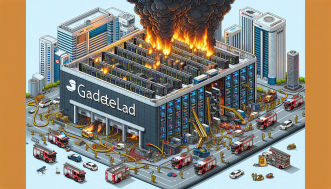
To add insult to injury, after the fire broke out, they had to douse the place to contain the flames. Naturally, now half the servers are left in puddles like they’re enjoying an outdoor festival in Northumbria. So not only do they have charred equipment, but now they’ve got waterlogged ones as well. Lads, if you’re gonna keep your heads in the cloud, maybe avoid flooding your own servers, eh?
Alibaba’s official comment on the situation? They’re mumbling something about safety protocols and how swiftly they responded to manage it all. Yeah, cool story, lads, but the damage has already happened, hasn’t it?
Everything Goes Awry
Services Switch Off Like a Light Switch
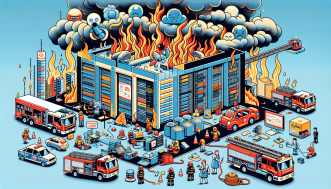
Naturally, with your server room soaked and half ablaze, the rest of your operations might not be running smoothly, right? That’s precisely what occurred. Numerous Alibaba Cloud services just turned off like someone cut the cord. Poof. Gone. Hope no one was relying on anything vital there, eh? Just a few million businesses attempting to sell cheap goods from China.
Gossip around (or the internet, whichever) is that users started grumbling about “system problems” and services being unavailable *within minutes* of the explosion. I mean, ya think? Of course, it’s going to crash when the servers are having a ruddy soak.
Alibaba’s Damage Control Measures
What’s the Corporate Spin?
So, how does Alibaba rationalize this? In typical corporate PR jargon. They’ve been quick to announce they managed the turmoil in “record time” and that they’re ensuring everyone’s safety. That’s all well and good, but what about my bloody data, mate? They’re not exactly forthcoming about how much of the service is back up and running. As of now, users are still reporting sporadic issues.
At this stage, if you’re managing anything critical on Alibaba Cloud, I’d seriously be questioning myself. Like, ‘Why didn’t I back this up with a service that doesn’t explode into flames?’

The Nerdy Bit for Those Keen
Explosion, Fire, and Safety Procedures
Now, I’m not one to bore you with technical jargon unless truly needed, but for those interested, Alibaba attributes the battery explosion to a faulty lithium configuration. Lithium-ion batteries should be safe when managed correctly, but mess it up, and they’ll explode like fireworks on Bonfire Night.
It seems Alibaba Cloud’s safety measures were effective, but mate, it’s a bit late once the chaos has hit the fan, isn’t it? Now the servers are drenched from all the fire-fighting efforts, and I bet some poor soul is going to attempt to power them on too soon. When that happens, expect another “incident.”
Final Thoughts
Alibaba, Mate, Stick to Selling Discount Goods
Listen, I’m no stranger to Alibaba pushing all sorts of random stuff no one asked for, but perhaps they should refrain from pretending to be a top-tier cloud provider if they’re going to screw things up this badly. Exploding batteries? Servers floating around like they’re at a flaming pool party? Not exactly the reliability I’d expect from a company claiming to be a cloud giant.
For now, if you’re set on using Alibaba Cloud, I’d keep a close watch on their infrastructure. You never know when another part of it might go up in smoke.
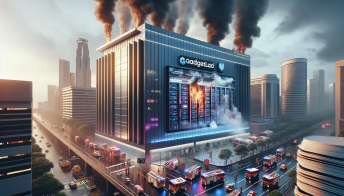
Chinese giant claims lithium batteries exploded, now one server hall is drenched
##### Summary
The Sky May Be Cloudy, but Alibaba’s Data Center’s on Fire — Literally
Catch that? Lithium batteries exploding, servers swimming, and cloud services dropping quicker than your mate’s phone on a night out.