

Indeed, the Fitbit Air Faces Competition
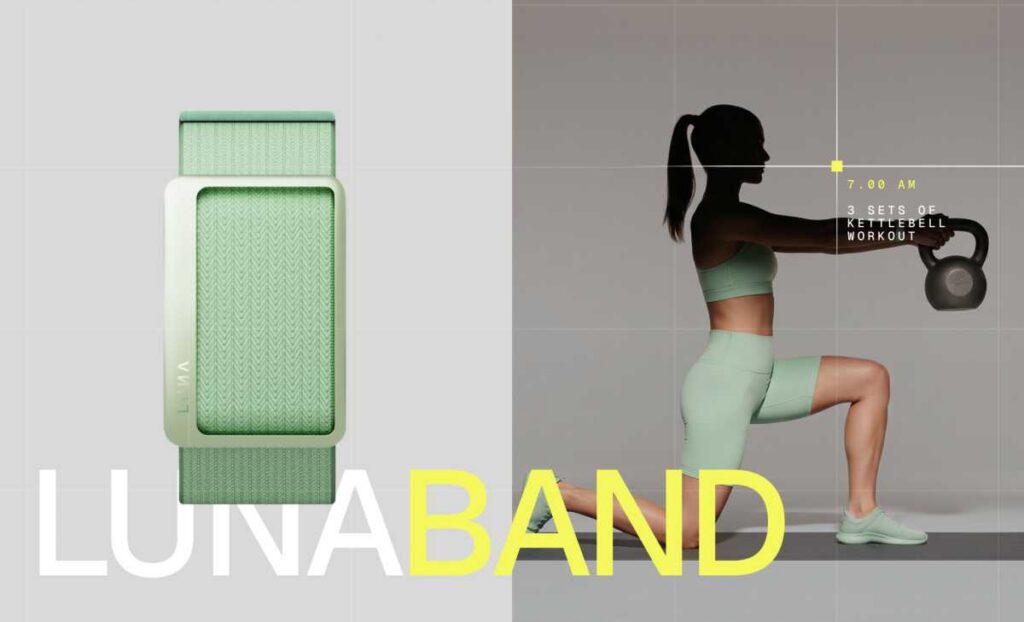
The Fitbit Air is set to debut next week, yet a new contender, the Luna Band, is already in the mix.
Fitbit Air: No Need to Fret, You’re Not Alone
The Fitbit Air is igniting a wave of interest in screenless fitness trackers in 2026. It isn’t the first of its kind, with brands like Whoop resonating with athletes for years, but Google’s latest band is making the technology more accessible to the general public.
The Competitive Landscape is Thriving
We anticipate a plethora of additions throughout the year – including the Garmin Cirqa – and beyond, as consumers look for less distracting wearables. Initially unveiled at CES in January, the Luna Band is now officially available, showcasing a refined design and enhanced functionality compared to the initial prototype.
Luna Band: A “Body Calendar”
Building on the Luna Ring Gen 2, the screenless fitness tracker is touted as a “calendar for your body, crafted to maintain your prime condition”. It adopts a distinct perspective from Fitbit and Whoop as a “voice-first wearable”.
LifeOS: The AI Assistant You’ve Always Desired
It appears to cater to those who prefer meticulous routines, as the Luna Band, paired with its LifeOS intelligence engine (known as AI-powered software), is intended to orchestrate your day around your body – literally by the hour – as a “fresh approach to health”.
What’s Inside?
Utilizing the sensors on the Band, LifeOS perpetually tracks your body and integrates with various data sources such as blood indicators, medical background, and dietary habits. You can record meals, symptoms, and “moments” using voice commands without needing to access the app, courtesy of Siri integrations.
Hope You Own an iPhone!
There’s no built-in microphone on the band itself, which means you must speak into your iPhone. The Luna Band is also compatible with Android devices, though lacking voice features.
Fitbit Air vs Whoop: A Comparison of Screenless Fitness Trackers
Luna
Specifications and Features
All this information translates into a plan that the band conveys through haptic feedback. This includes workouts and meditation sessions, as well as alerts to reduce your caffeine consumption.
Loaded with Micro-Apps
Luna promises that the app is equipped with numerous ‘micro-apps’ for areas like training, stress management, and productivity, plus you can create your own health modules tailored to your requirements.
More Than Just a Fitness Tracker
The official website also mentions that the Luna Band is capable of tracking both your sleep patterns and fertility.
Pricing and Launch Information
Luna has not specified an exact price point, but hinted to GadgetLad that it will be approximately £155/$149. Crucially, unlike competitors like Whoop and Google Health Premium (the new iteration of Fitbit Premium), there is no subscription fee.
Save the Date
The Luna Band is slated for release at the ‘end of July 2026’, and the company indicates that Drop 1 will be invite-only. You can join the waitlist starting today to have a chance to purchase one.
Conclusion: Dive into the Luna Trend!
There you have it, everyone. The Luna Band is attempting to rival the Fitbit Air with its voice-first, AI-enhanced features and zero subscription costs. If you’re on the lookout for a smart band that organizes your day (and reminds you to cut back on the coffee), this could become your next gadget fixation. Don’t overlook that waitlist!
