
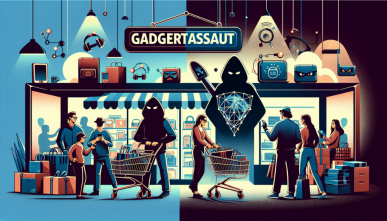

Cisco Merchandise Store Breached: Apologies to Those Simply Seeking a Hoodie
Can you believe it? Cisco’s online shop, where they sell their expensive hoodies and paraphernalia, has been disrupted by a few unsolicited participants – and no, I’m not speaking of your overly curious neighbor. It appears that malicious individuals, probably from Russia (because, naturally), opted to enhance the shopping experience by embedding data-harvesting JavaScript into Cisco’s merchandise portal. It’s like receiving a hoodie and a complimentary identity theft service all in one. How cozy.
What Went Wrong?
It turns out that Cisco’s site, powered by the ever-reliable Magento (which clearly took a day off), had a glaring 9.8-rated security vulnerability hanging around like an enormous banner saying, “Hack me.” Adobe, the caretaker of Magento, actually resolved this flaw back in June. Yet, as we all know, persuading large corporations to update their software is akin to hoping a Newcastle summer lasts more than three days. Excruciatingly slow.
So, Who’s to Blame for This Situation?
Ah, excellent query. A suspect Magecart faction is behind this entire fiasco. For those unaware, Magecart is a consortium of hacking collectives that thrive on injecting harmful code into online shops to pilfer your payment information. They’re like the internet’s version of dodgy blokes lifting wallets around Bigg Market after a few too many drinks. They tend to focus on online checkout pages so they can snag your credit card data faster than you can exclaim “where’s my wallet gone?”
If you made a purchase from Cisco’s store during the breach, congratulations! You might have just financed someone’s next trip to Sochi.

Can you identify it? Nah, mate.
Here’s the kicker: these Magecart assaults are stealthy as anything. You wouldn’t even realize your information had been lifted because the checkout process appeared completely normal. It’s like being pickpocketed without realizing until you attempt to buy a kebab at 3am and your card is declined. Utterly frustrating.
What Steps Can You Take?
If you’ve purchased anything from Cisco’s store recently (seriously, what’s the deal with shelling out cash for a £60 Cisco water bottle?), now would be an apt time to review your bank statements. Watch for any suspicious charges that you did not authorize. Consider canceling your card, shedding a few tears, and perhaps start using a burner card for purchasing random items from now on.
On a positive note, this incident won’t impact customers who bought items from other Cisco segments like their routers or switches – so at least your network remains secure. Just those unfortunate souls who hoped for a new hoodie.
Come On, Cisco. Get Your Act Together!
One would presume a corporation like Cisco, which literally specializes in networking and security, would ensure their own website is updated regularly, right? Apparently not. They seem too preoccupied with cashing in on overpriced merchandise to focus on, you know, actually implementing crucial patches to their merchandise site. Disgraceful.
At this rate, it’d be simpler to knit your own Cisco hoodie than to place trust in their store again. Perhaps if they devoted less energy to creating gaudy corporate merch and more to keeping intruders at bay, we wouldn’t have to contend with this chaos.

Recap: What Have We Learned? Honestly, Not Much
Ultimately, if you’ve found yourself entangled in this debacle, it’s time to take action. Review your bank account, cancel your card, and maybe consider learning how to knit your own tech-themed sweaters. Cisco ought to be embarrassed for allowing their site to turn into a playground for Russian cyber miscreants.
The ‘Beefy Hoodie’ You Purchased Came With a Complimentary Side of Fraud
So, what’s our takeaway? Well, if you’re going to splurge on corporate trinkets, perhaps steer clear of a company that can’t be bothered to patch their software. Just grab an unbranded hoodie from Primark, honestly. Same warmth, less risk of hacking. Cheers.