
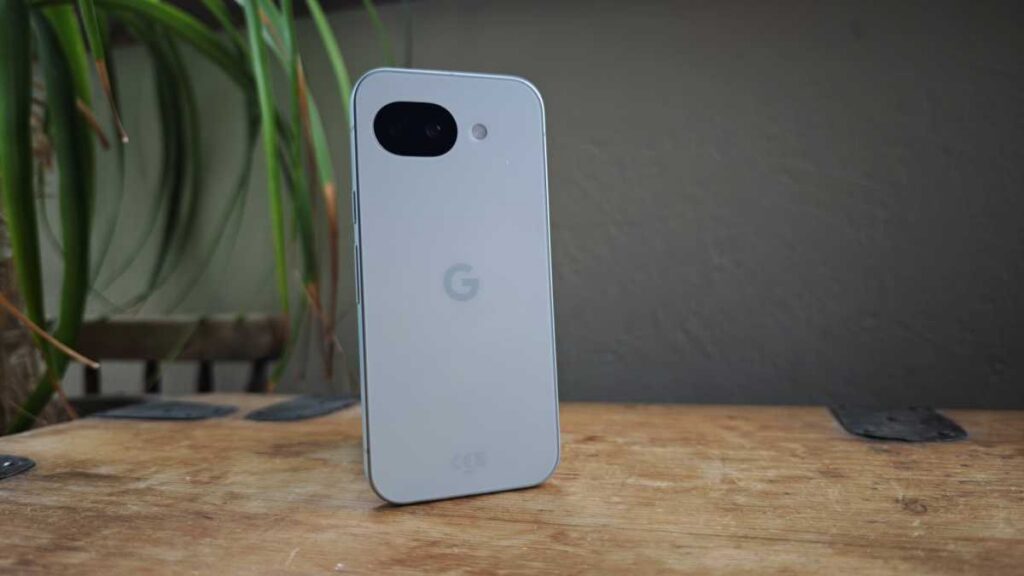

A Google Pixel user in the US is currently dealing with a court conviction. This situation arose when Samuel Tunick, after returning from his vacation in the Dominican Republic last January, was detained by border control who sought to inspect his smartphone for potentially suspicious material.
Rather than acquiescing, Tunick declined to provide access to his device and, by entering an incorrect PIN, ensured the erasure of all data. He accomplished this due to the alternative Android operating system, GrapheneOS.
According to The Guardian, US authorities are now accusing Tunick of tampering with evidence. The border officials were reportedly looking for signs of child pornography on his device. They tried to unlock and search the phone, a move Tunick managed to thwart successfully.
In truth, the authorities are allegedly targeting the American because he is on a terrorism watchlist. This classification supposedly originates from Tunick’s involvement in a protest movement opposing a police training facility in Atlanta. Nonetheless, Tunick’s legal team asserts that the officers lacked a search warrant.
How did he erase the data?
As previously noted, Tunick was utilizing an alternative operating system known as GrapheneOS on his Google Pixel smartphone, which has unique security capabilities. One of which includes the ‘Duress PIN’, a form of emergency PIN that ensures the device is not unlocked but rather deletes all stored data.
After the authorities persistently pressed for his smartphone PIN and denied Tunick the chance to consult an attorney, he opted to employ the ‘Duress PIN’ feature. Likely out of concern that otherwise, his device might be taken. When the “Duress PIN” (rather than the actual PIN) was input, the screen turned black, blinked several times, and the phone seemed to restart, simultaneously erasing all personal information.
Currently, GrapheneOS is exclusively available for Google Pixel smartphones, but plans to expand to more manufacturers are in place for the future. Previously, Spanish law enforcement had specifically targeted Google Pixel device users, as drug traffickers – particularly in Catalonia – were reportedly using this feature to evade law enforcement inquiries.
However, it appears excessive to broadly suspect Pixel smartphone users solely on this premise. Experts criticize the notion that GrapheneOS could be deemed ‘criminal by default’. Everyone should have the right to safeguard their private information from searches.
Verdict not yet decided
The trial is anticipated to commence in October 2026. At that point, a judge will need to determine whether the authorities had a lawful basis to search Tunick and whether he had the right to erase his data from his smartphone.
If the court rules in favor of the prosecution, this could establish a perilous precedent. US authorities might subject users of GrapheneOS and Google Pixel devices to general suspicion. Such a ruling would jeopardize the right to personal data protection.
Discover how to install Android 17 on unsupported devices
Summary: When Privacy Hits the Fan
It seems Samuel has landed himself in quite the mess, doesn’t it? Utilizing technology to maintain privacy, yet now under legal scrutiny. A classic dilemma of being damned if you do and damned if you don’t. Stay tuned to see whether justice favors privacy or prosecution!