
LinkedIn’s Been Found Snoopin’ – Typical Tech Industry Nonsense
What’s Going On?
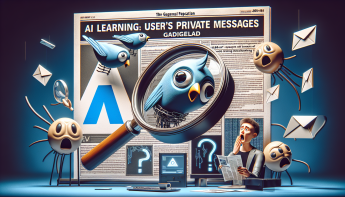
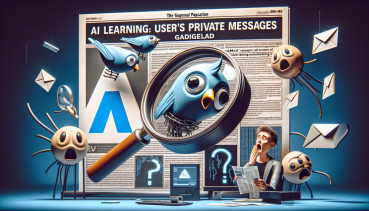
Well, mate, it looks like LinkedIn’s been up to no good, or at least that’s what a cheeky new lawsuit claims. The accusation? That LinkedIn is allowing third-party companies to access its Premium users’ private InMail chats – ya know, the ones you really don’t want anyone else snooping on – to train their AI algorithms. Yep, supposedly your messages are now playthings for the Terminator. If this is accurate, it’s sketchier than a wee hour kebab.
Microsoft’s LinkedIn Says: “Nothing to See Here”
The Rejection Routine
Like clockwork, LinkedIn (or “Microsoft’s social platform for geeks,” as I prefer to refer to it) came out fighting, asserting the allegations are “without basis.” Of course, they’d say that. All the big players have the same response when they get caught with their hands in the cookie jar, don’t they?
The lawsuit claims LinkedIn not only pulled this maneuver but did so discreetly, without seeking anyone’s approval. Who needs trust when you’re a tech titan, eh? Just take what you want and act oblivious later.
Premium Is Not What It Once Was
The Upsell That Resembles a Scam
Here’s the kicker: folks fork out extra cash for LinkedIn Premium because they believe they’re obtaining something exclusive, something worth that extra cash. Instead, they might be getting played. Paying to have your private chats served as an appetizer for Skynet? Thanks, LinkedIn. Real bang for your buck there.
AI Training: The New Untamed Frontier
We Had GDPR for This, Right?
Remember when GDPR rolled out, and every website turned into a pop-up nightmare with “Accept Cookies” requests? That whole charade was meant to prevent this kind of behavior – your personal information being tossed around like spare change. Yet tech companies keep finding “sneaky” ways around it, much like teens sneaking drinks into the park.
Training AI systems isn’t inherently wrong – after all, it’s what keeps Alexa from thinking “turn on the light” means “short-circuit the wiring.” But using private messages without consent? Nah, mate. That crosses a line. It feels akin to leaving your beer unattended only to discover someone else’s lips on it. Disgusting.
The Big Tech Playbook
“Oops, Didn’t Mean to Do That”
Here’s the classic tactic: if LinkedIn’s caught in the act, they’ll probably churn out the typical line. “Oh, it was an error! A technical mix-up! We prioritize your privacy, truly!” Sure thing, lads. Just like I cherish kale – which is not at all.
You have to wonder, though. For every time these crooks are caught, how many times do they slip under the radar? Quite a bit, if you ask me. And we’re left holding the bag.
What Can You Do About It?
Short Answer: Not Much
If you’re a LinkedIn Premium user, this lawsuit might have you feeling a bit scammed. However, aside from watching the situation unfold or cancelling your Premium subscription, there’s not much you can do at the moment. Maybe tweet indignantly or post a passive-aggressive update on LinkedIn, but let’s face it – LinkedIn isn’t quaking in its boots over your “open to work” status update.
Conclusion: Just Another Day in Tech Antics
LinkedIn: Where Your DMs Aren’t Just Yours
So, there you have it. LinkedIn may have been selling your private InMails to train AI systems, according to this lawsuit. Meanwhile, their defense is basically a shrug and a “wasn’t me.” Whether this blows up into a major scandal or dissipates like a flat beer remains uncertain. But one thing’s evident: Big Tech’s trust reserves are running worryingly low.
Keep your messages concise, folks. You never know who’s watching.