

NASA’s Parker Probe: One Tough Space Gadget
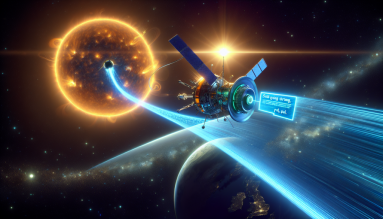
Alright, mate, let’s chat about NASA’s Parker Solar Probe. This nifty space contraption isn’t merely zipping by the Sun; it’s almost giving it a cheeky peck like a Geordie at closing time with a pint of Newcastle Brown Ale. Somehow, it’s still hollering back to Earth with its updates. So buckle up, we’re heading to space.
Close Enough to Sense the Sunscreen
The Parker Probe isn’t just your standard satellite lurking up there while we binge-watch shows. Nah, this one’s a beast, zooming within 4.5 million miles of the Sun. To help anyone who struggled with GCSE maths, that’s so near you’d need oven mitts just to wave.
NASA believes it’s made it through its latest lap around the star, and honestly, I’m convinced they’ve got sorcerers on their team. This gadget is enduring intense radiation and temperatures hotter than the Metrocentre when the air conditioning fails, and it’s still going strong. Major respect.
The Science Behind the Madness
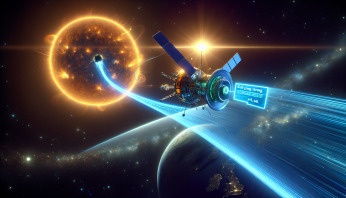
Now, here’s the smart part for all you tech enthusiasts out there. The spacecraft is decked out with a massive Thermal Protection System – essentially a space equivalent of a warm jacket – crafted from carbon-composite materials. It’s preventing the circuits inside from becoming molten goo. Science, eh? It’s like MacGyver-level brilliance, but with fewer mullets and more PhDs.
The probe has been assigned to collect data on solar wind and magnetic fields. Don’t ask me why, I’m not a science whiz, but it sounds like something that’ll either aid in tackling global warming (please, NASA?) or create a hairdryer that never gets too hot (I’d definitely purchase that).
Space WiFi Done Right
Reportedly, the Parker Probe sent back a “status update” to Earth confirming it’s still intact. To be fair, I’ve got mates who can’t even reply to my texts after a night out, so the fact this thing’s staying in touch while being outside the solar version of a Greggs’ oven is genuinely impressive.
The data it’s collecting is being transmitted back to Earth so NASA can pretend they’re steering this 600,000 kph fireball dodger. If you ask me, the true heroes are those who engineered the WiFi on this thing because I struggle to get a signal from the kitchen.
Why So Close? Just for Kicks or What?
Some of you might be wondering, “Why are they messing around so near the Sun, anyway?” Well, it’s all about grasping the science of solar wind and trying to solve the mystery of why the Sun’s corona is millions of degrees hotter than its surface. Don’t ask me how that works – I’m a tech blogger, not Brian Cox.
The goal is that this knowledge might help us with all sorts – like shielding our electrical grids from solar storms or making future space missions less likely to turn astronauts into toast. So yeah, it’s worth the effort, even if it’s just so we can look smug when someone talks about space at your next family BBQ.
The Team at NASA: Still Nailing It
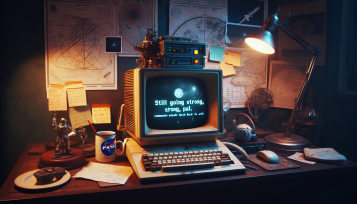
You’ve got to hand it to the clever folks over at NASA – they’ve hit the mark with this one. The Parker Probe is like the tough Geordie mate who downs 20 pints and still manages to remain upright. Even though it’s been battered by heat, radiation, and who knows what else, it’s evidence that humans can create amazing things when they set their minds to it.
What’s Next for the Little Blighter?
The Parker Probe’s going to have a few more close brushes with the Sun before it finally wraps up. Each time it’s edging closer, like a moth to a flame, but without the whole fiery demise part (we hope). More data means more brilliant science, and I’m pretty sure someone at NASA’s already scheming a Netflix series.
This Was a Triumph
If you’re a fan of thrilling scientific experiments, you’ll be buzzing about this. The Parker Solar Probe has not only made it through its recent Sun excursion but is also sending back loads of valuable data for the scientists to analyze. Cheers to the Parker Probe – the toughest gadget this side of the Milky Way.
Visit gadgetlad.co.uk for more ace reviews and tech chatter. In the meantime, don’t hesitate – go pat your smartphone on the back. It might not be soaring into the Sun, but at least it’s not burning up… yet.
