
Perhaps I’m not alone in this sentiment, but premium smartphones no longer thrill me.
The primary factor is that advancements in hardware have significantly decelerated, particularly in the phones that most of us are likely to purchase. Be it the Samsung Galaxy, Google Pixel, or Apple’s iPhone, each new release seems increasingly predictable.
This isn’t to suggest that these companies aren’t enhancing their devices. Each year offers a quicker processor, a more vivid display, and some software refinements. However, when you look closely at the marketing, the focus seems to be predominantly on one feature – the camera.
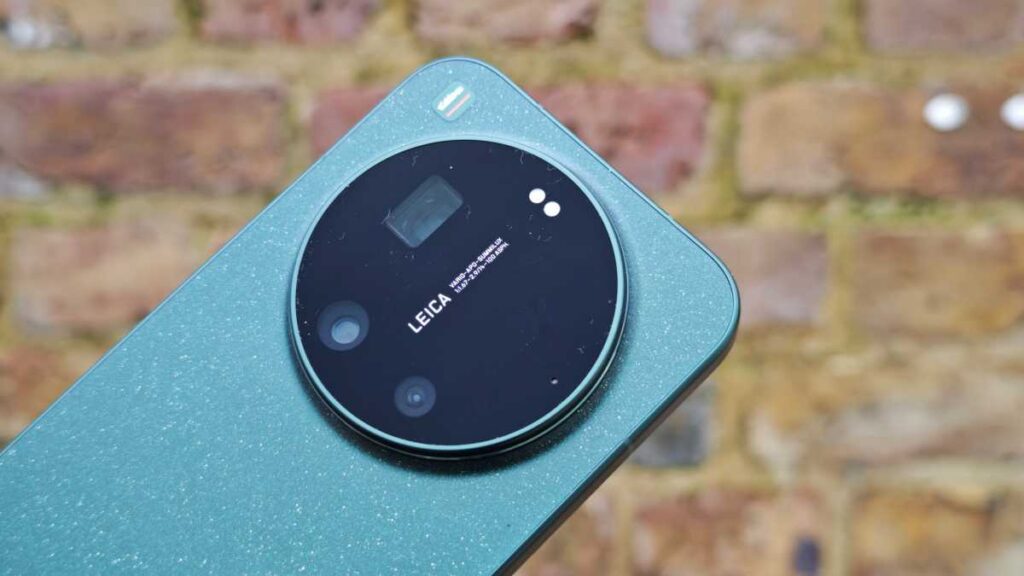
Samsung highlights its 200Mp sensor and zoom functionalities. Apple presents cinematic video and portrait captures. Brands such as Oppo, Vivo, and Xiaomi follow suit, although I’d contend they are at least trying innovative hardware compared to the mainstream competitors.
The issue lies in the fact that the industry appears to be fixated on photography while other facets of the smartphone experience receive minimal focus. Enhanced battery technology, expedited charging, improved connectivity, thermal management, ease of repair, and durability are all areas where substantial advancements would profoundly impact everyday usage.
Still, year after year, the focus remains on camera enhancements. I’m not certain that this is the right trajectory for smartphones.
We don’t need any further camera upgrades
My view is that flagship smartphones no longer require superior camera capabilities.
Take a look at what’s on the market today. Whether you choose an iPhone 17, a Samsung Galaxy S26, a Google Pixel 10, a Vivo X300 Ultra, a Xiaomi 17, or an Oppo Find X9, you’re equipped with a camera system that would have been unfathomable five years ago. These devices capture stunning images in bright conditions, perform admirably in low light, produce cinematic-quality videos, and have zoom capabilities that far exceed most users’ needs.
Chris Martin / Foundry
The challenge is that smartphone cameras have become victims of their initial success. Each year, brands introduce larger sensors, increased megapixels, extended zoom capabilities, and new alliances with camera manufacturers. Samsung highlights its 200Mp sensor. Xiaomi partners with Leica. Vivo collaborates with Zeiss. Oppo aligns with Hasselblad. Apple promotes its professional-level photography and videography.
…smartphone cameras have become victims of their initial success
However, if you presented most individuals with photos from these devices without disclosing which one captured them, I doubt they could consistently select a clear favorite. This is because we’ve reached a stage of diminishing returns.
The distinction between a flagship camera in 2026 and one from 2023 is far less striking than the gap between a flagship camera from 2020 and one from 2017. Many of the major issues have already been addressed. Dynamic range is exceptional. Night photography is excellent. Video quality is top-notch. Portrait mode suffices. Zoom cameras are adequate.
Britta O’Boyle
The industry behaves as if smartphone photography still has significant unresolved issues, but for the majority, it truly does not.
What adds to this inconsistency is that cameras have become the hallmark feature of nearly every premium smartphone available. The larger camera bump, the additional weight, the increased cost, and a large segment of the marketing resources are all utilized to facilitate enhancements that many users will hardly recognize during everyday use.
The crucial aspects are being overlooked
While the camera segment continues to receive upgrades, the areas that truly require attention are neglected.
Regarding charging, Apple remains in the “up to 50% in about 30 minutes” zone with the iPhone 17, with MagSafe maxing out at 25W and Qi at 7.5W.
Samsung doesn’t fare much better, with the Galaxy S26 Ultra frustratingly held at 5000mAh, and charging speeds vary depending on the adapter used – which isn’t included in the box, naturally. The Pixel 10 Pro XL can reach 45W, but solely with a compatible charger.
Anyron Copeman / Foundry
This is why the leading Chinese brands stand apart. The Xiaomi 17 Ultra features a 6000mAh battery with 90W wired charging and 50W wireless charging. Oppo’s Find X9 series also offers significant charging speeds with large battery capacities, Vivo X300 Ultra supports up to 100W charging paired with a 6600 mAh battery, and the OnePlus 15 boasts a stellar 120W charging on its titanic 7300mAh battery.
This is where the genuine frustration arises. An enhanced camera adds little value to a device that takes too long to recharge, struggles with signal reception, or feels unreliable when used extensively throughout the day. Even Samsung’s fine print notes that actual battery life varies by network environment, which illustrates the point perfectly. Reception and battery longevity may not be glamorous features listed on spec sheets, but they fundamentally influence how reliable a device feels in real-world use.
Reception and battery longevity may not be glamorous features listed on spec sheets, but they fundamentally influence how reliable a device feels in real-world use
I don’t think the industry has a camera issue. I believe it has a focus issue. Brands persist in behaving as if another imaging upgrade would resolve everything, while many consumers would derive greater benefits from quicker charging, improved battery performance, better connectivity, and minimized compromises in daily utility.
Conclusion
Run Out of Film, Not Juice
Today’s flagship devices are overly engrossed with camera specifications, neglecting more vital needs like battery life and connectivity. Perhaps it’s time to prioritize rapid charging over perfecting that ideal shot! Who would have thought?